Visiting Boone Hall: Tours, Avenue of Oaks and Planning Your Charleston Day
Plan a thoughtful Boone Hall half-day, with Gullah interpretation, historic dwellings, house tours and time beneath the Avenue of Oaks.
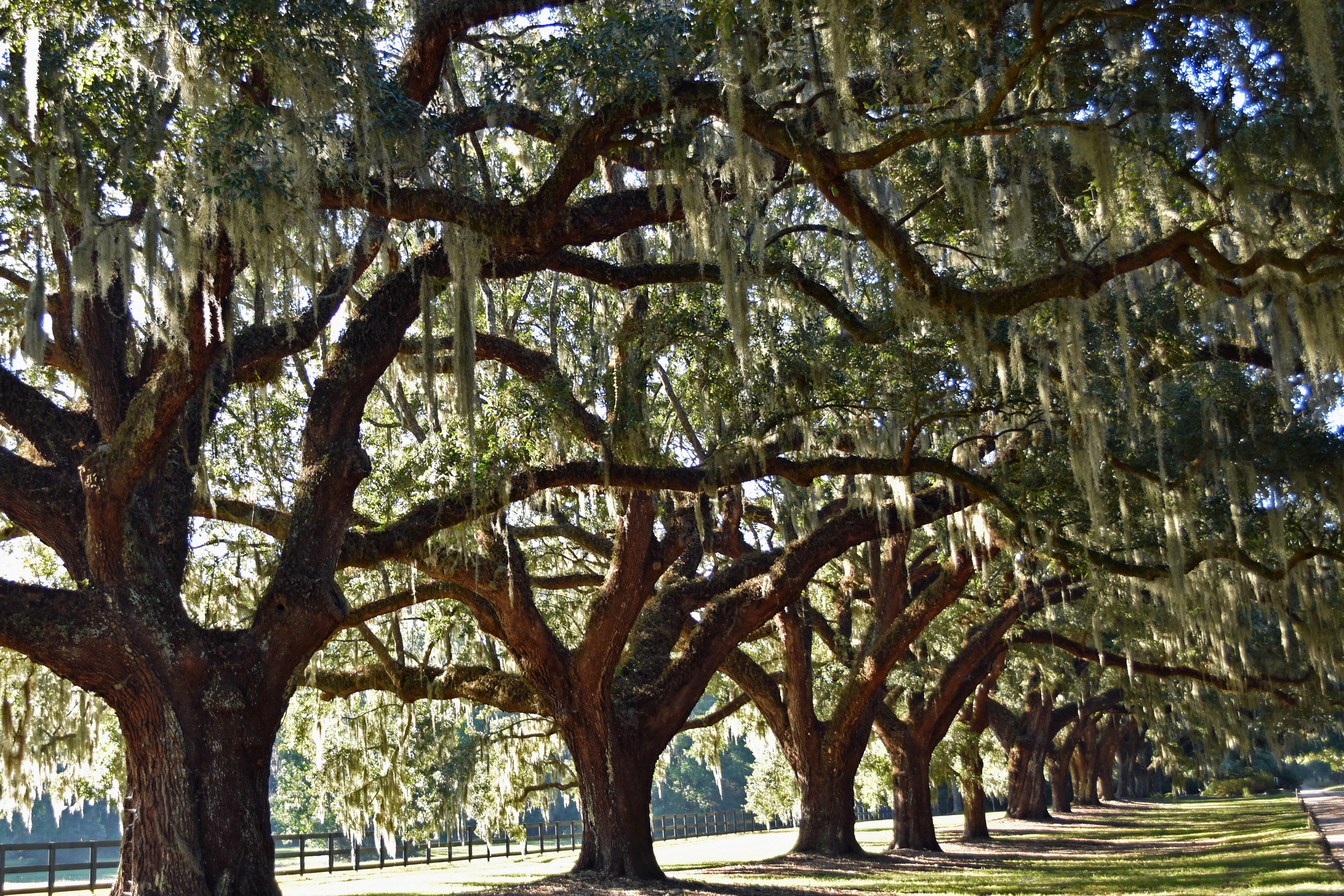
Boone Hall is best approached as a half-day of history and landscape, with the Avenue of Oaks as the introduction rather than the whole reason to come. The estate combines a twentieth-century house, historic dwellings, interpretation of slavery, a live Gullah cultural presentation and outdoor touring. A good visit gives those different elements time instead of turning the property into a quick photograph stop.
It is in Mount Pleasant, across the Cooper River from downtown Charleston. If you are deciding how to distribute your days, our Charleston itinerary provides a starting point. Keep this outing separate from a full day on the Ashley River: nearby on a regional map does not mean comfortably interchangeable within a tightly packed morning.
What general admission includes
The official admission page says a general ticket covers the tours presented during regular daily operations. Its listed experiences include the first-floor house tour, Gullah presentation, historic-cabin exhibits, history talks, gardens, stable tours and the covered wagon tour, when conditions permit. The Gin House visitor centre, museum and shop are also listed. Parking is included.
The useful distinction is between access and a guaranteed departure. An admission ticket does not make every activity available at every moment, and the wagon depends on weather and road conditions. Use the official booking link for current prices and eligibility, then work from the programme supplied on arrival.
| Your priority | Plan around | Leave flexible |
|---|---|---|
| History and interpretation | Gullah presentation and history talks | Garden wandering between programmes |
| Architecture | Your allocated house-tour time | Exterior photography afterwards |
| Landscape | Weather and wagon availability | A shorter or longer independent walk |
Choose two priorities before you arrive. It is much easier to make a satisfying day from those than to discover halfway through that the one presentation you most wanted overlapped with another activity.
Use the right schedule for your day
Ordinary hours are 9am–5pm Monday through Saturday and noon–5pm on Sunday. Boone Hall’s tour-planning page separates the weekday/Saturday programme from the Sunday schedule and provides the estate map. Read the version matching your visit, then confirm it at the gate: seasonal schedules and special events can change what is running.
The Sunday programme currently describes the Gullah presentation as approximately 30–35 minutes, with afternoon sessions. It also lists shorter historical talks and directs visitors to arrange a house-tour time with staff. Rather than copying an exact departure into your itinerary months ahead, reserve a generous block and check the current programme shortly before travelling.
Our suggested sequence is to obtain the programme, select a Gullah session, arrange the house tour if desired, and fit the self-guided exhibits and gardens around those commitments. This is an editorial planning suggestion, not a fixed route issued by the estate. Leave space to sit down and reflect between activities; the history deserves more than a rushed pass through a display.
Put the historic dwellings and Gullah presentation first
The Sunday programme identifies the brick dwellings as dating from approximately 1790–1810 and describes exhibits on different periods of African American history. It directs visitors to begin at the praise house nearest the mansion. The accompanying dwelling-history talk addresses enslaved life and the buildings themselves. These are central parts of understanding Boone Hall, not incidental stops on the way to the house.
The live Gullah presentation adds a different form of interpretation. Listen to the presenter rather than treating it as background entertainment while planning the next activity. Allow time afterwards for questions when invited. A cultural presentation, a historical exhibit and a guided architectural tour are distinct experiences; seeing one does not replace the others.
For context on a Charleston town house and its surviving work spaces, our Aiken-Rhett House guide offers a separate city visit. Comparing how different sites interpret the lives of enslaved people is more useful than ranking estates only by the appearance of their gardens.
The house is from 1936, not the colonial period
Boone Hall’s house-tour account is clear about this: the present Colonial Revival mansion was built in 1936 for Thomas and Alexandra Stone. Earlier houses occupied the site, and some materials from the previous house were reused. The guided visit covers the first floor; the upper floors are private.
That distinction matters when choosing the outing. You are not walking through an unchanged eighteenth-century mansion simply because the plantation’s history extends much further back. Look at the house as a later architectural interpretation, alongside the older dwellings and the wider agricultural history.
The house instructions ask visitors to meet on the porch ten minutes before their scheduled tour. Interior photography is not permitted, and strollers, food and drinks should remain outside. Plan photographs of the setting separately, so that the guided interior visit can have your full attention.
Enjoy the Avenue of Oaks without rushing the rest
The official Avenue of Oaks nature-walk handout outlines a 1.41-mile route linking the avenue, a pond, the Gullah Theatre area and Dock House before returning towards parking. Treat the map as a route reference and ask about current access or conditions on arrival. Wildlife mentioned in a handout is a possibility, not a sighting guarantee.
The trees and hanging Spanish moss are reason enough to slow down, but photography should not interfere with arriving vehicles. The Sunday visitor instructions explicitly prohibit stopping or parking on the avenue. Proceed to the visitor parking area and follow staff advice about where to walk and photograph safely.
If your group wants a shorter outdoor stop on a different day, consider our Angel Oak guide. It is a different destination with its own rules, not an extra ten-minute detour from Boone Hall. Choose the outing that suits the available time rather than trying to collect both tree photographs in one hurried afternoon.
Access, weather and a comfortable return
The visitor FAQ recommends roughly three to four hours. It also describes grass and compacted-sand surfaces that can be difficult for manual wheelchairs, steps into the house and historic dwellings, and steps to board the farm tour. Video alternatives for the house and tractor tour are available on request. Ask about the particular route and assistance your group needs before committing.
Thanksgiving and Christmas Day are closed; some special-event dates also replace regular touring. Check your date carefully. A festival ticket and a routine sightseeing plan should not be assumed to offer the same experience.
Plan footwear for outdoor surfaces and leave some flexibility for weather. A driver pickup should allow for the final activity actually ending, a walk back and any comfort stop. Use the designated pickup area identified on the day’s map rather than arranging to meet on the avenue. The address for the main visit is 1235 Long Point Road, Mount Pleasant.
For an unhurried Charleston holiday, Boone Hall works best as the main commitment of the morning or afternoon. Keep dinner and any other sightseeing realistic. The aim is to leave having understood more about the place, not merely having completed the longest possible list of tours.
Photograph: Avenue of Oaks at Boone Hall, October 31, 2018, by Heinz-Vale via Wikimedia Commons, CC BY-SA 4.0. Display may resize or crop the image; adaptations retain the same licence. Visitor information checked November 14, 2026.

Helena Rubinstein
Destination SpecialistHelena is the discerning eye and storytelling voice behind LuxuryVacations.net. With a background in boutique-hotel consulting and a passport stamped on six continents, she curates insider guides to the world's most coveted destinations.
Read more from Helena