Visiting Musée d’Orsay: Tickets, Entrances and a Relaxed Museum Day
Plan a Musée d’Orsay visit with current renovation entrance details, ticket and tour options, collection choices and practical advice for a relaxed Paris museum day.

Musée d'Orsay is a rewarding choice for a Paris museum day when you want to spend time with nineteenth-century art in a remarkable former railway station. It deserves more than a quick detour for a clock photograph. Start with the work that interests you, allow time to appreciate the building and keep the rest of the day on the Left Bank if that suits your plans.
There is also a practical reason to prepare carefully now: public-area renovations have changed how visitors enter. This guide brings together official collection, booking and access information checked in November 2026, with suggestions for shaping a comfortable visit. Use our three-day Paris itinerary to decide where it belongs in the wider trip.
Decide what you want from the museum
Orsay's collection centres on the period from 1848 to 1914. Its own painting collection overview explains the ambition to represent that unusually fertile period comprehensively. That gives you a helpful starting point: this is an opportunity to compare artistic approaches across a concentrated period, rather than to attempt the entire history of art in one day.
Decide whether your priority is painting, the architecture of the building, decorative arts or a particular temporary exhibition. You can certainly combine interests, but select one as the anchor. If two people in your party want different things, agree on a meeting point and a manageable amount of independent time instead of continually pulling each other between galleries.
The museum's architecture collection also deserves consideration. Orsay includes architecture within its presentation of the period, rather than treating the former station merely as a container for pictures. Looking at the hall and then exploring this part of the collection can give a visit a coherent theme for someone who is less interested in following a list of famous paintings.
Book the visit around your date and interests
| Your preference | Planning approach |
|---|---|
| A first introduction | Choose a timed museum visit and a short personal collection shortlist. |
| A particular exhibition | Check the exhibition's own ticket and booking instructions. |
| An explanation from a guide | Compare the museum's scheduled tours before booking a separate service. |
| A later start | Consider Thursday's evening opening, then check the exact date. |
Use the official visitor page as the starting point for the current timetable and ticket office. The museum normally closes on Mondays and offers a late opening on Thursdays. Gallery clearing begins before the final building closing time, so choose a slot that leaves enough time for the experience you want.
Free-admission and concession rules have specific conditions. US visitors should not infer eligibility solely from their age without checking residence requirements and the evidence needed. Likewise, if you hold a museum pass, complete any required time-slot reservation. A pass and a confirmed appointment are different parts of the planning process.
The museum currently offers a Masterpieces guided tour, described as a 90-minute introduction for visitors aged 13 and over. Check the available date and language before arranging the rest of your day. This is a useful option if you prefer a structured overview, but the advertised programme and age guidance should inform whether it suits your party.
Use the current entrance instructions during renovation
The renovation notice covers work from March 2026 through summer 2028. The museum says it remains open, with collections and exhibitions accessible, while access routes are modified. Read the e-ticket and current map rather than using an entrance description from an older review.
Standard timed collection and exhibition tickets use Entrance 1 on the quay. Entrance 2 on the forecourt serves other categories, including visitors with reduced mobility. Passholders also need to follow the reservation and entrance instructions applying to their booking. The museum asks visitors to arrive at least 15 minutes before their time slot; build that into the journey rather than treating the slot as the time to step out of a taxi.
For a guided activity, verify both the building entrance and the meeting point inside. Those are two separate steps. If arranging a private guide independently, ask how the meeting procedure works during the renovation and what happens if your party arrives late. A clear plan is more useful than a generic promise of smooth access.
Make a manageable plan once inside
Get the current museum map and orient yourself before starting a long circuit. Follow the present-day signs for your chosen collection rather than relying on a room number copied from an old blog post. Loans, temporary exhibitions and changes to displays can alter where an individual work is found. If one particular painting matters greatly to you, ask the museum about its current display status before planning the trip around it.
Give your main interest the freshest part of the visit. Afterwards, decide whether to add another section or simply look more slowly at what you have already found. Leave pauses between concentrated stretches of viewing. A few minutes noticing the structure of the hall or discussing one work with your companion can restore attention better than immediately adding another gallery.
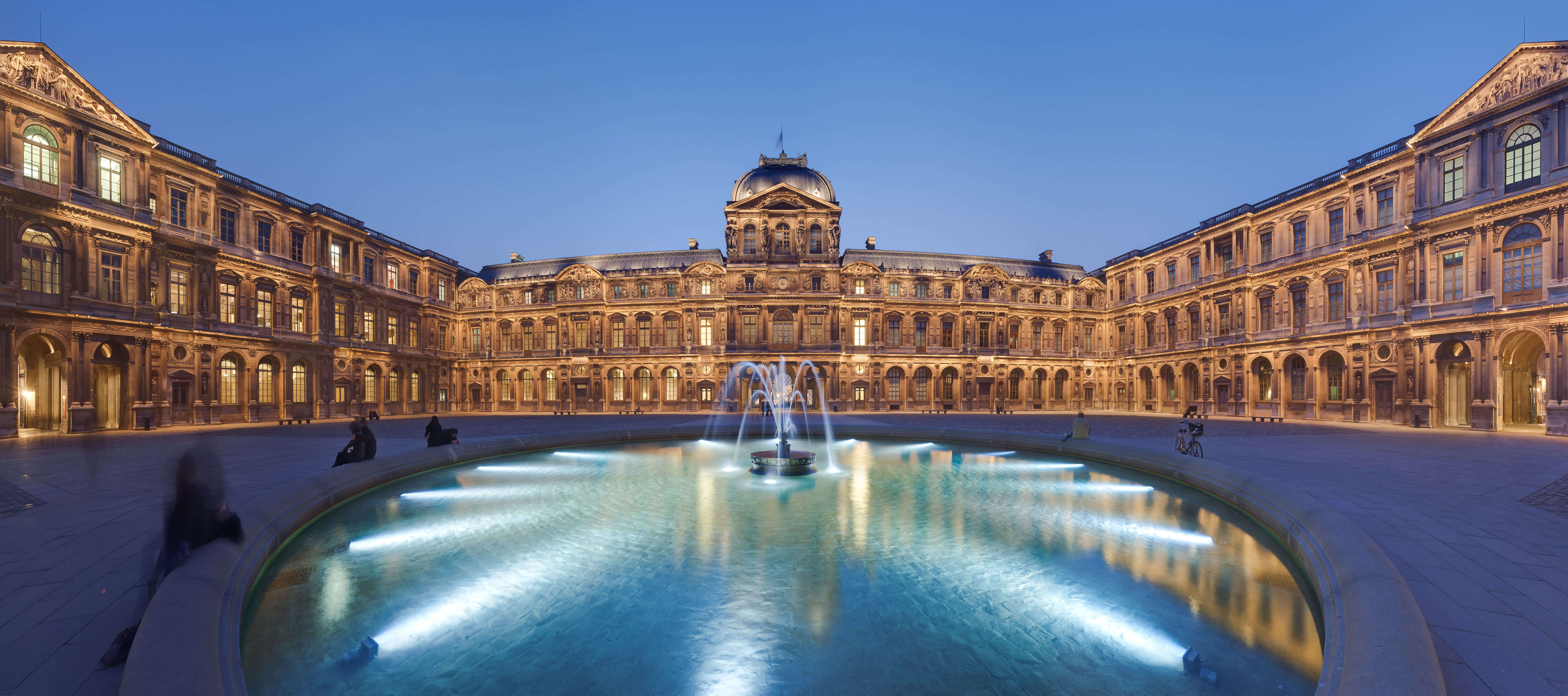
For a visit with teenagers, the museum's own guided-tour age guidance provides one option to investigate. For younger children, choose a smaller theme and agree on when to stop. Keep photography secondary to the visit and follow the rules posted for the particular galleries and exhibitions. The historical interior photograph accompanying this guide is a view from 2023, not a live record of the current entrance layout.
Keep travel and the surrounding day simple
The museum lists Solférino on Métro line 12 and Musée d'Orsay on RER C among its transport options. Check the route from your actual hotel and the service status for your date, especially if you have timed admission. If access needs are important, plan the complete journey and entrance route instead of assuming that the nearest station is automatically the most convenient one.
For a short holiday, avoid pairing Orsay with another major museum purely to fill the afternoon. A meal and a walk in Saint-Germain-des-Prés, or a rest before a special dinner, can make a more satisfying day. Our Paris area guide explains why the Left Bank is worth considering if that rhythm appeals to you.
Before setting out, check your ticket, entrance, exhibition arrangements and the museum's latest notices. Then let the collection take priority over the checklist. You can find related city and day-trip ideas in our Paris guides, with enough room to give each visit the attention it deserves.
Photography: Daniel Lu (dllu) / Wikimedia Commons, CC BY-SA 4.0. Displayed with responsive cropping; the photograph and its displayed crop remain available under the stated licence. Information checked November 3, 2026.
Helena Rubinstein
Destination SpecialistHelena is the discerning eye and storytelling voice behind LuxuryVacations.net. With a background in boutique-hotel consulting and a passport stamped on six continents, she curates insider guides to the world's most coveted destinations.
Read more from Helena