Visiting the Louvre: Tickets, Entrances and a Comfortable First Visit
Plan a comfortable Louvre visit with official ticket advice, entrance distinctions, current gallery checks, luggage rules and a manageable museum route.
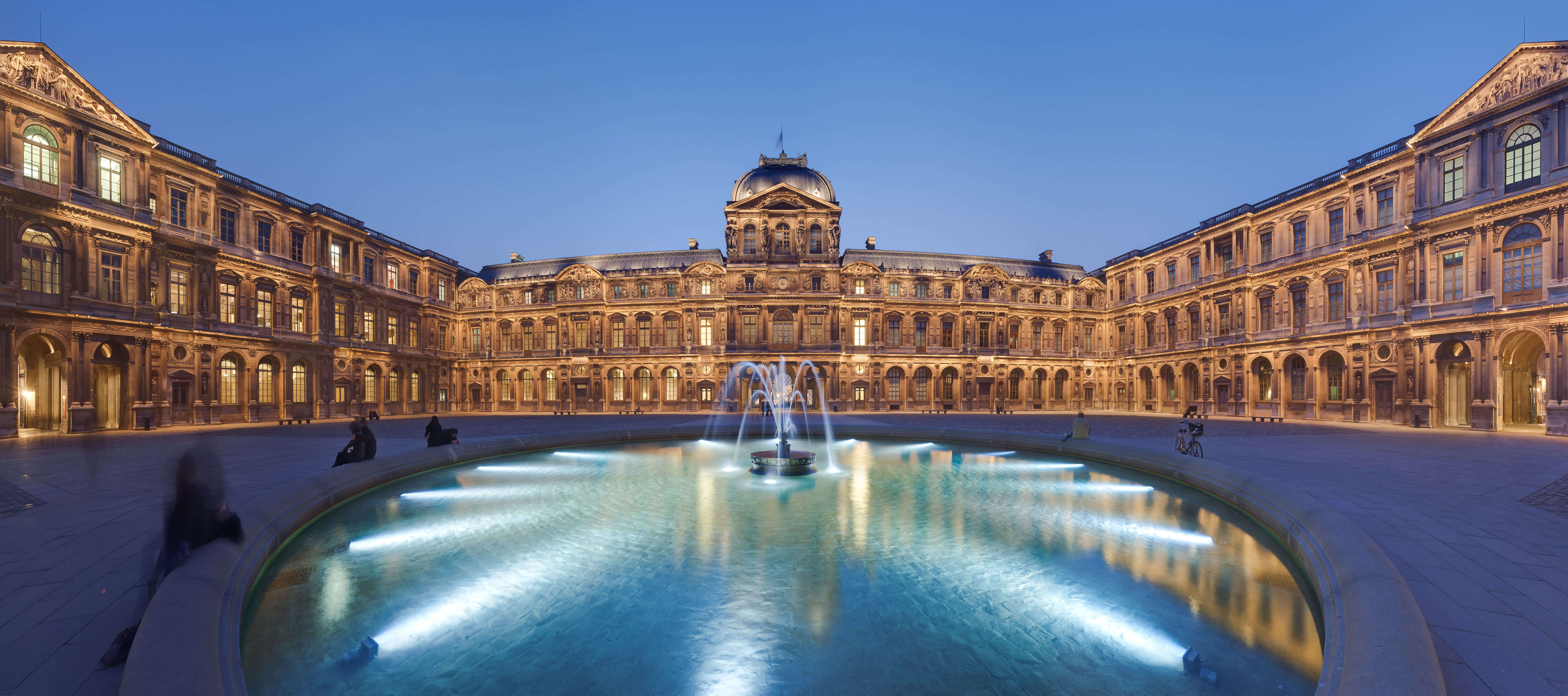
A good first visit to the Louvre starts with a decision about what you want to see. The museum is too large for a single visit to do everything justice, and a comfortable afternoon can quickly become tiring if you keep crossing the building to chase an ever-longer list. Choose a main interest, check which rooms are open and organise the practical details before arriving.
This guide focuses on tickets, entrances and a manageable visiting plan, using official Louvre information checked in November 2026. For the broader trip, our three-day Paris itinerary places the museum within a slower city break. The aim here is to help you spend more of your time looking at the collection and less time resolving avoidable problems.
Check three things before choosing a ticket
| Check | Why it matters |
|---|---|
| Your travel date | Weekly closures and exceptional changes affect the plan. |
| Your priority collection | Room availability can vary, including during evening openings. |
| Your admission category | Eligibility and reservation requirements depend on the visitor. |
The official visit page recommends a time-slot booking, including for visitors entitled to free admission. It also distinguishes EEA and non-EEA visitor rates. US travellers should read the applicable category and evidence requirements instead of relying on an old price in a travel article. We link to the current official information rather than treating a quoted euro amount as permanent.
Set the appointment only after checking the journey from your hotel. If landing that morning, factor in the uncertainty of arrival formalities, transport and luggage arrangements. A museum booking later in the stay is usually the easier choice when your flight's arrival time is the only reason for selecting a particular slot.
Choose a visiting window that suits the collection
The Louvre normally closes on Tuesdays, with evening openings on Wednesdays and Fridays. Those evenings can work well after a quiet morning and a hotel break. They are not automatically the best choice for every collection, however. The schedule of available galleries identifies rooms that close during late openings as well as longer renovation closures.
For example, the current room schedule includes restrictions affecting some upper-level painting galleries in the evening. It also notes that Level 2 rooms open later on Wednesdays and Fridays. If a particular school of painting is your reason for visiting, check its actual room rather than assuming that the building's general opening hours guarantee access.
For a first visit, consider allocating a half-day in your itinerary, with flexibility to finish earlier if your attention fades. That is a planning recommendation, not a claim that the whole museum can be covered in a set number of hours. A long lunch or another major ticketed visit immediately afterwards can turn a good museum morning into a race.
Use the entrance appropriate to your ticket and needs
The Louvre's entrance guide should be your reference. The Pyramid is the main entrance for individual visitors. The museum also lists Carrousel, Richelieu and Porte des Lions, each with its own access conditions. Treat claims about a “secret entrance” cautiously: an entrance that works for a tour group, member or ticket holder may not work for every visitor.
Richelieu has restricted categories, while Porte des Lions is for visitors who already hold admission tickets and has its own closing arrangements. If you need equipment loans or particular access assistance, make that part of the entrance decision. Saving a few minutes in one queue is not useful if you then need to cross the building to collect something essential.
Give a driver or guide a specific meeting point and distinguish drop-off from pickup. With a museum of this scale, “outside the Louvre” is not a reliable instruction. Keep the confirmation and the entrance map available on your phone, and allow time for security checks even when you have a timed ticket.
Build a route around one main interest
Before the visit, make a short list in two columns: works or collections you would be disappointed to miss, and things you would enjoy if time permits. Use the current museum map to group them. If the first column sends you between several distant areas, shorten it. The best route for you may be very different from a standard highlights tour.
The official room schedule distinguishes Egyptian antiquities, decorative arts, paintings, sculpture and the history of the Louvre, among other areas. Check that your chosen section is open, then give yourself permission to stay there. Comparing a few objects closely can be more rewarding than photographing a succession of labels without remembering the rooms.
For travellers interested in the building itself, the museum's history and architectural spaces can be part of the route rather than simply corridors between famous works. If a guide would improve your understanding, establish the focus before booking. Ask whether the itinerary is adaptable to current closures and whether admission is included in the fee. “Private” describes the group arrangement; it does not by itself mean access outside normal visitor rules.
Plan bags, breaks and access carefully
The visitor amenities page states that items larger than 55 × 35 × 20cm are not admitted, including to the welcome areas. Free lockers are available for smaller belongings, but the museum is not a solution for storing a large suitcase between checkout and a flight. Arrange that with your hotel before leaving.
Equipment loans, including wheelchairs and folding stools, are listed by the museum. Review the accessibility information and ask about the route you actually intend to take. A visit involving several levels and wings needs a different plan from a short, focused gallery visit. If travelling with children, choose a limited theme and a clear finishing point rather than expecting them to follow an adult's entire list.
Decide where your meal break belongs before going outside. The Louvre's visitor FAQ says that exits are final and re-entry is not granted on the same admission ticket. That makes an external lunch followed by a return to the galleries a poor assumption. Ask staff about the facilities and options within your visit before committing to a break that ends it.
Leave the rest of the day light
After the museum, a walk, a café stop or time back at the hotel will usually pair more comfortably with the experience than another enormous collection. The surrounding Right Bank is one reason the Louvre–Tuileries area appears in our guide to where to stay in Paris. A convenient room can make an afternoon rest easy before dinner.
Keep your final check simple: current room availability, your ticket category, entrance instructions, a manageable bag and a realistic route. Save the rest for another visit. Our Paris planning guides can help you give each major outing enough space without making every day equally demanding.
Photography: Benh LIEU SONG / Wikimedia Commons, CC BY-SA 3.0. Displayed with responsive cropping; the photograph and its displayed crop remain available under the stated licence. Information checked November 3, 2026.

Helena Rubinstein
Destination SpecialistHelena is the discerning eye and storytelling voice behind LuxuryVacations.net. With a background in boutique-hotel consulting and a passport stamped on six continents, she curates insider guides to the world's most coveted destinations.
Read more from Helena